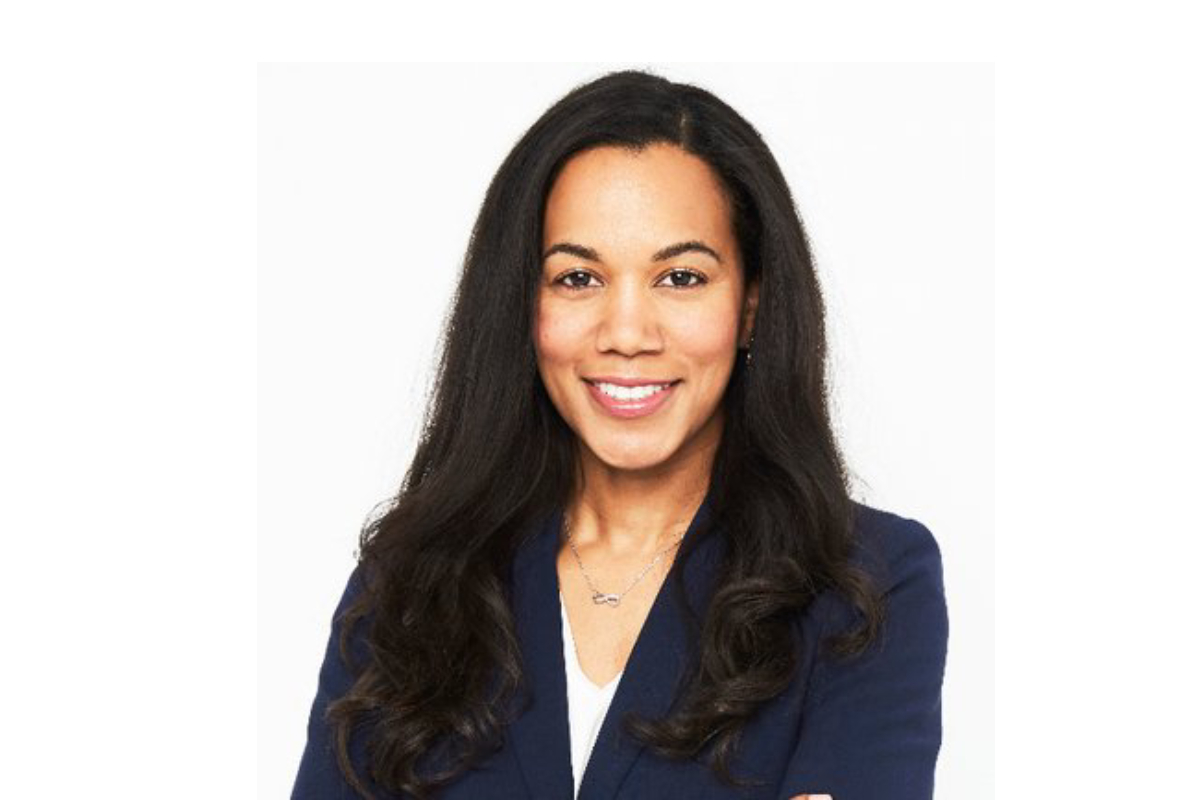
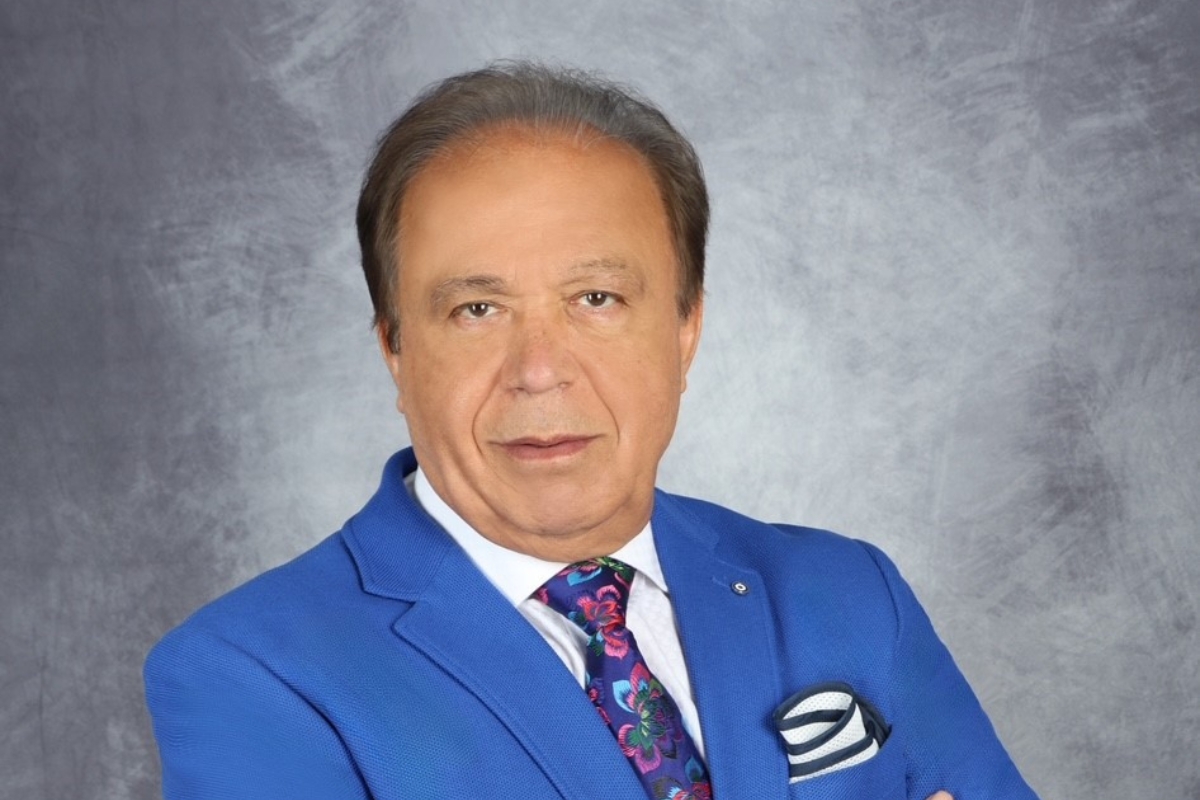
With over 30 years of leadership roles across various industries, including automotive, industrial, and packaging, Dr. Changize Sadr’s experience spans multiple markets and global sectors. Dr. Sadr has authored over 100 patents, publications, and keynote speeches worldwide, not as a personal goal, but as part of a belief that knowledge must flow into industry to create real impact.
In today’s manufacturing world, growth is not measured only by size, but by the ability to adapt, innovate, and lead through complexity and change. Few careers embody this evolution more than Dr. Sadr’s, President and CTO of Markdom International.
As Chief Technology Officer of Markdom International, Dr. Sadr ensures the smooth development and implementation of technological strategies to meet business goals. Under Dr. Sadr’s leadership, Markdom International has progressed from a regional molder into a North American technical platform built for performance, scalability, and global competitiveness.
Dr. Sadr spoke to us about the innovations shaping the future of manufacturing, his vision for the next chapter of Markdom, and what shapes his leadership style.
What inspired your journey into engineering?
What drew me to engineering was curiosity — the desire to understand systems and make them better. Over time, that curiosity developed into a belief that engineering is not just about solving problems; it is about shaping the future. This belief guided my career from ABC Group Inc., where I helped lead manufacturing programmes for OEMs globally; to CEO of Fuel Technology Inc., where I developed hydrogen and compressed natural gas fueling stations; to President of Dayco Global Belts, where I led research, design, manufacturing, and international distribution networks. Each chapter reinforced one core truth: innovation is only powerful when it meets real-world needs.
Markdom International has undergone a major transformation. What defines the company today?
When I joined Markdom, it had a strong foundation, but the real opportunity was to evolve. Today, we operate as a technical manufacturing group with over 500 skilled employees, nearly 100 injection molding presses up to 3,000 tons, and operations across Toronto, Michigan, Monterrey, and Irapuato. But more important than scale is mindset. We built a culture defined by engineering excellence, strategic agility, innovation with purpose, and cross-border capability. Our role today is no longer just to manufacture, but to enable solutions for the next era of North American industry. We have accomplished several remarkable feats, allowing production from tooling to technology. We have also evolved from the production phase to partner with several brands, acting not only as a supplier, but as a strategic collaborator. Markdom is not waiting for the future; we are building it.
You have held leadership roles for decades. What shaped your leadership style?
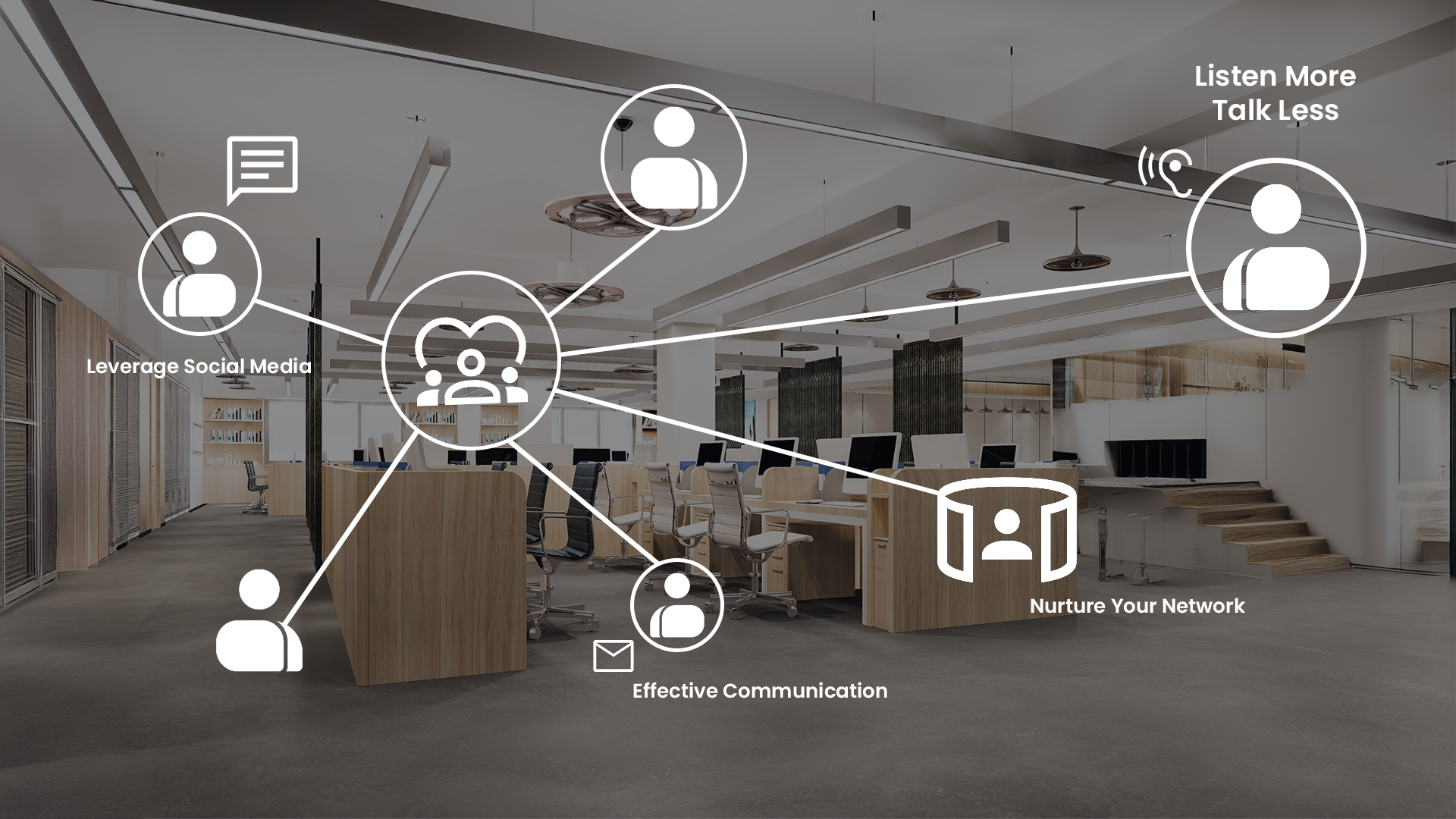
Leadership is something you refine over time. Having worked across multiple sectors — the automotive industry, compressed natural gas and hydrogen technologies, and industrial manufacturing, I’ve learned that leadership must evolve as technology evolves. Over the years, my approach has come down to five core principles. First, inspire talent without restricting it. Second, allow data to guide decisions, but let people drive them. Third, ensure innovation creates value. Fourth, be a good listener. And finally, lead change before change leads you.
What innovations are shaping the future of manufacturing?
We are seeing the convergence of three powerful elements shaping the future of manufacturing: advances in materials science, digital manufacturing platforms, and intelligent automation. At Markdom, we’ve built real-time programme management systems with predictive analytics for equipment life, established partnerships with Ontario universities for research and development, and participated in electric vehicle development. We are moving from traditional manufacturing to connected, intelligent, and adaptive engineering ecosystems.
Sustainability is emerging as a performance metric. How do you see its role in the future?
Sustainability is no longer a cost; it is a performance advantage. At Markdom, we are focusing on lightweight components and advanced polymers. We are also utilizing innovative energy systems that reduce waste through precision tooling and employing more responsible sourcing techniques and material strategies to advance our engineering vision.
What challenge became a turning point for Markdom’s growth?
We implemented a smart, innovative process to transition from smaller auto parts to high-precision structural components across borders. To achieve this, we utilized digitalized engineering processes, strategic supply-chain positioning, and scalable manufacturing platforms. We transformed complexity into opportunity. When addressed correctly, every challenge becomes a competitive advantage.
What is your vision for the next chapter of Markdom?
Our strategy is built on evolution, not repetition. In a market defined by rising energy costs, protectionism, and supply-chain challenges, we must stay close to our customers locally while expanding globally into sectors beyond automotive, including consumer products, packaging, and medical industries. We are focused on smart manufacturing and data-driven solutions, investing in research and development collaborations, and advancing sustainable engineering processes. Our goal is to build a global platform where innovation, leadership, and purpose work collaboratively — not separately.
With over 30 years in leadership roles, how do you approach decision-making in uncertain times?
In every organization I’ve led — ABC Group, Fuel Technology Inc., Dayco Global, and now Markdom, uncertainty has never been a barrier; it has been a signal. My approach to decision-making rests on three pillars. First, data informs us, but experience guides us. Second, although speed matters, clarity matters more. Third, a decision must open doors, not close them. Innovation is not about predicting the future; it is about positioning ourselves correctly for the future.
What role will Markdom play in shaping the future of North American manufacturing?
Markdom’s next chapter is about strategic positioning — not only for the coming years, but for the decades ahead. Our expanded roadmap includes a stronger North American footprint and a more connected global presence, especially in Mexico, the U.S., Canada, and Europe. We are spearheading initiatives for industry–academic collaboration with universities and research labs to accelerate innovation. We have launched advanced digital manufacturing platforms to support AI-enabled production. Our goal is clear: to connect innovation with execution, locally and globally, and to build capability that lasts.
What advice do you have for the next generation of engineers or leaders?
The next generation will inherit the most complex challenges the industry has ever seen; sustainability, supply-chain fragility, electrification, automation, and AI integration. Challenges and opportunities are often the same when viewed from different angles. My message to young engineers and leaders is simple: be curious, because engineering begins with questions. Be bold, because leadership begins when you step toward challenges. Be responsible, because innovation must serve society, not only systems. And finally, never stop learning. Those who adapt faster will always be the leaders of tomorrow.
David Messiha | Staff Writer