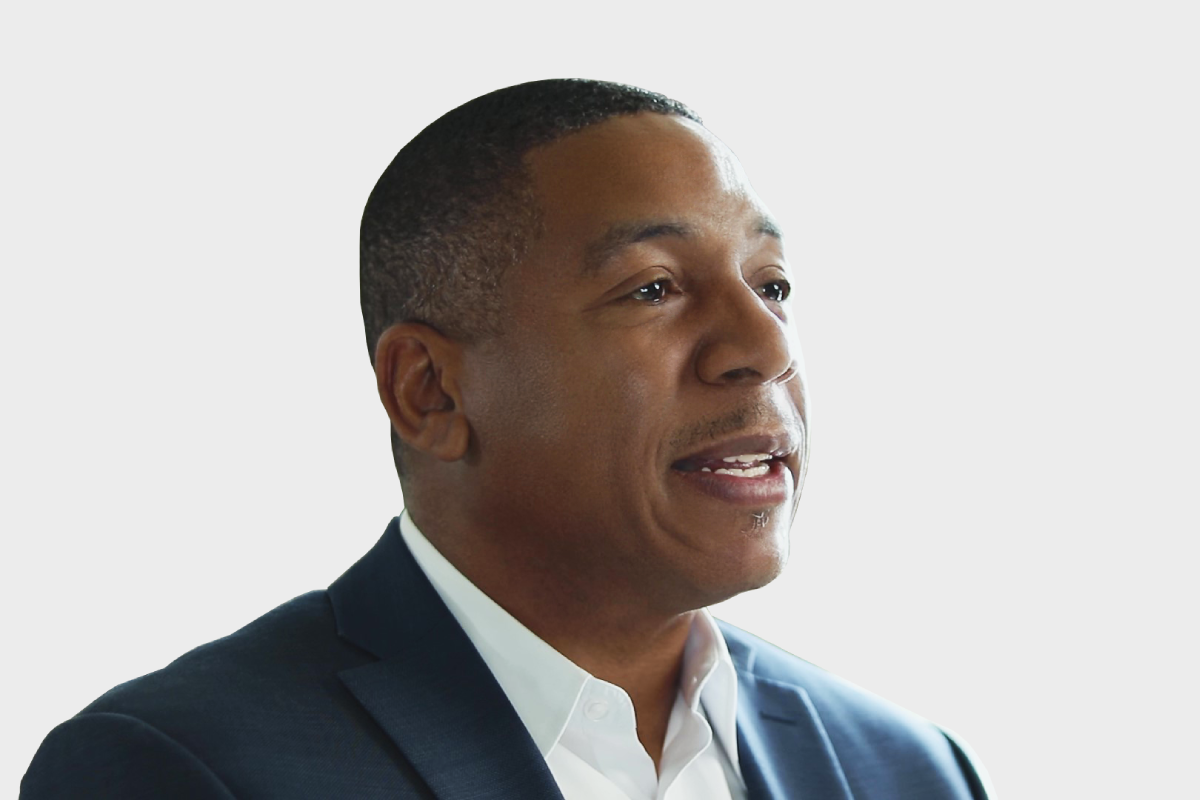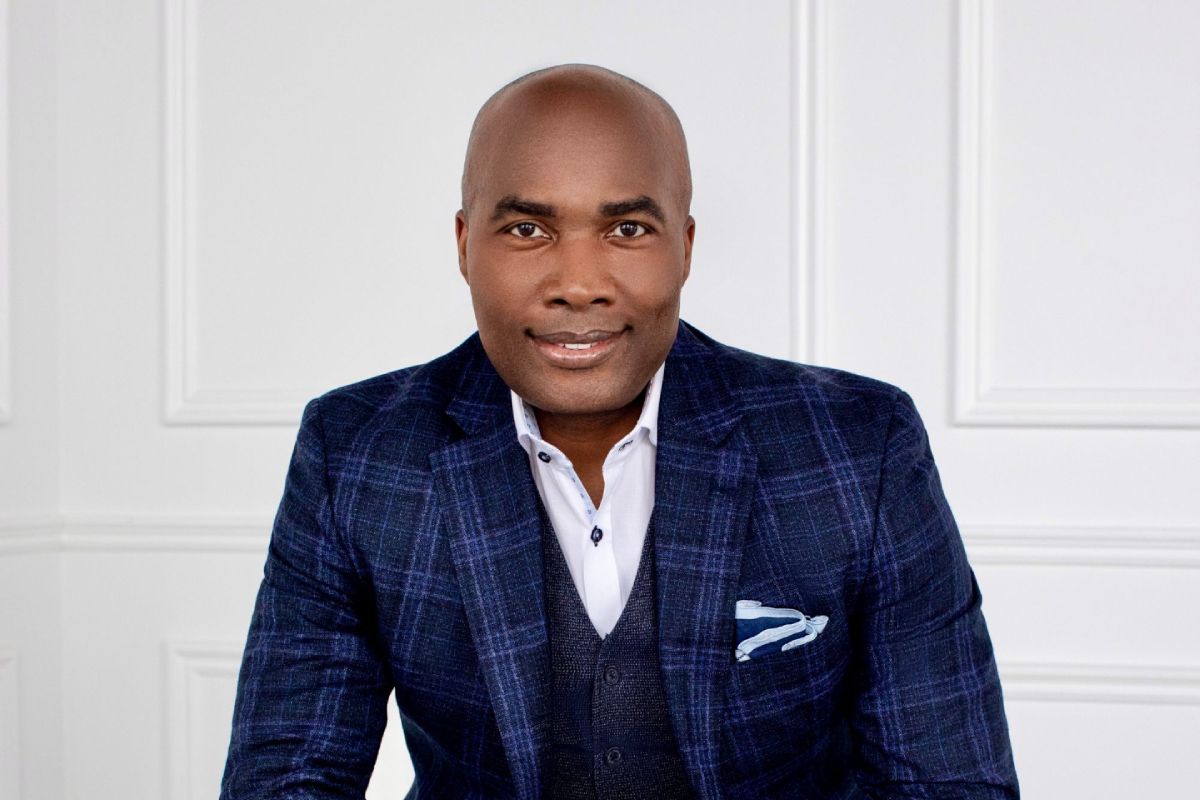

Donovan Bailey’s journey is a rare fusion of speed, strategy, and purpose. Rising from Manchester Parish, Jamaica, to global acclaim as an Olympic and World Champion sprinter, Bailey captured the world’s imagination with his explosive victories—notably his 1996 Olympic gold in the 100m with a world-record time of 9.84 seconds. But his story didn’t end at the finish line.
Today, Bailey is a dynamic entrepreneur and philanthropist who is just as driven in the boardroom as he was on the track. As the founder and CEO of Bailey Inc., he leads a mission-driven enterprise dedicated to elevating organizations that champion innovation, equity, and impact. Bailey creates pathways for lasting change through strategic partnerships with ventures like Biopods, Javelin Sports, Arise Wearables, and philanthropic efforts like Pass the Baton—supporting everything from athletic innovation to post-secondary education for underrepresented youth.
Bailey brings the same focus and discipline that made him a global icon in sports to the world of business, and social impact. Whether mentoring young athletes, advising corporate leaders, or expanding real estate ventures, Donovan Bailey continues to break boundaries—proving that legacy isn’t what you leave behind, but what you build in real-time.
When the world remembers Donovan Bailey, what do you hope stands out most: your speed, story, or something deeper?
My accomplishments on the track are undeniable. I’m proud to be recognized as the greatest sprinter ever to wear the Canadian uniform—an Olympic champion, a world record holder, a world champion, and the only one among them who remained drug-free. It is a legacy etched in Canadian sports history. Yet, beyond the stopwatch and accolades, I hope people remember more. I’ve continuously strived to be kind and generous with my time, committed to giving back, especially to youth and the community. I’ve always shown up as my authentic self—a proud, confident Black man who has found success while staying true to who I am. If that representation can inspire my children and anyone watching to believe that they, too, can achieve the same, then I’ve done my job.
Reflecting on your early years in Jamaica, what life lesson continues to guide you in sport and business?
Growing up in rural Jamaica taught me about structure, discipline, and simplicity. My world included school, church, and sports—no distractions, just a clear sense of what mattered. In our household, education was everything. We didn’t move on to anything else until we met our academic responsibilities. That foundation helped me build strong personal values, respect, focus, discipline—that still guide me in every aspect of my life today. As I’ve grown older, I’ve come to realize the value of that clarity. Life only becomes complicated when we allow it to be. Staying grounded in the basics, surrounding yourself with people who elevate you, committing to continuous learning, and maintaining integrity have been the backbone of both my success and personal peace.
Share a moment from your Olympic journey that still influences how you lead or make decisions today.
When I entered the world of competitive athletics, track and field was in a rough place. There was widespread skepticism, controversy, and distrust due to doping scandals and a lack of integrity in the sport. I recognized early on that my role was bigger than simply winning races. I had to lead by example, educating the public, restoring the sport’s credibility, while demonstrating that we can win championships cleanly. My wins weren’t just personal triumphs; they were statements of my accomplishments. I was representing not only myself, but also my culture, my family, my country, and a sport in need of redemption. That responsibility taught me to lead with conviction and to remain steadfast in the face of adversity. This lesson has carried over into every boardroom and business relationship I’ve entered since.
What has shaped your sense of legacy more: the gold medals or the lives you’ve impacted since?
The medals granted me access. They opened doors to rooms I might never have entered otherwise—boardrooms, global summits, schools, churches, and international communities. But once inside, my legacy depends on what I do, say, and represent. I’ve never wanted to be known only as an athlete, but rather for how I engage with people, help shift perspectives, and uplift others. My philanthropic efforts, mentorship initiatives, and business ventures are extensions of that mission. When I leave a room, I want the takeaway to be deeper than my resume. I want to be remembered for the way I made people feel, for the wisdom I shared, and for creating opportunities where none existed before. That’s the legacy I’m building every day.
Take us back to the genesis of Bailey Inc., what problem did you feel compelled to solve?
Bailey Inc. is the professional extension of Donovan Bailey, created to manage the business side of my career, but it quickly grew into something bigger. In the mid-1990s, there were few examples of athletes taking full ownership of their brand and building long-term equity beyond endorsements. I wanted to shift that narrative. Bailey Inc. began with sponsorships and brand deals, but over time, it evolved into a vehicle for partnerships, brand building, and strategic investments. It allowed me to position myself not just as a figure in sports, but as a businessman aligned with global partners, helping to grow new brands while also monetizing my own story and skill set.
Among your business ventures, which one challenged your thinking the most and why?
Every business I’ve invested in has presented its unique challenges. I’ve always been a serial entrepreneur, and with that comes the reality that startups are inherently challenging. The most crucial decision in any venture is choosing the right partners—people who share your values, understand the vision, and are equally invested in the outcome. Start-ups are not part-time jobs. They require relentless commitment, much like my track days. You’re working around the clock, navigating risk, and often building something from nothing. I’ve learned to do my due diligence, roll up my sleeves, and get involved at every level. Whether the result is a financial return or the satisfaction of building something meaningful, each experience deepens my understanding and sharpens my approach to problem-solving.
In what ways has your competitive background helped you navigate today’s entrepreneurial landscape?
My athletic background taught me how to prepare for uncertainty and thrive under pressure. In today’s fast-paced business world, that mindset is invaluable. The world operates in sound bites and nanoseconds, and you have to be ready to act—but also to adapt. In sports, preparation is everything; the same principle applies in entrepreneurship. I constantly read, study, and seek out people who challenge my thinking. That keeps me sharp. You don’t win by reacting; you win by anticipating. I approach business like I approach a championship race, with preparation, strategy, and a willingness to go the extra mile.
Picture the ideal future for Bailey Inc., what does it look like in five years?
I’m always thinking big. Ideally, I’d love to see one of the companies I’ve supported grow into a $500 million success story. But beyond the numbers, the real vision is impact. I want Bailey Inc. to be a platform that continues to build strong partnerships, elevate diverse entrepreneurs, and create sustainable business ecosystems. It’s about aligning with people and ideas that matter, and helping to push culture and commerce forward in meaningful ways. That’s the future I’m working toward.
Your initiative, Pass the Baton, touches on education and equity. Why does this cause resonate so strongly with you?
Pass the Baton is built on a simple but powerful idea: if you’ve been fortunate, you must share that fortune with others. And I don’t mean just money—I’m talking about knowledge, access, opportunity, and time. Every adult, no matter their profession, has something of value they can pass down. Whether you’re a teacher, lawyer, tradesperson, or artist, if a young person asks you for insight, give it to them. That’s mentorship. That’s leadership. I’ve benefited from incredible mentors throughout my life, and I’ve mentored others in sport, business, and philanthropy. It’s a two-way street. Pass the Baton is about ensuring that the next generation doesn’t start from scratch. It’s about giving them a head start by sharing what we’ve learned.
If you could rewrite the blueprint for youth sports and access to education in Canada, where would you start?
I wouldn’t rewrite my journey, and I own all of it, the highs and the lows. However, if we’re talking about systemic change, I’d start by building stronger support systems for children. That means more mentorship, more resources, and more leadership training. Too many young people lack access to the guidance and opportunities they need. If you’re fortunate in life, there’s an obligation to give back, especially when it comes to supporting the next generation.
Which voices or communities do you believe are still missing from national conversations around sport and opportunity?
We need more representation in many communities, starting with Black and Indigenous communities. While the digital world has opened more doors, systemic barriers persist. The responsibility isn’t on those excluded; it’s also on institutions to be more intentional about inclusion. On a personal level, I encourage people to take action—reach out, show up, and make their voices heard. Whether it’s through sports organizations or by contacting elected officials, utilize the available channels to demand change. There is access, but we need accountability and follow-through. If you want to see change, don’t wait for someone to knock on your door; get up and get seen.
How can successful public figures use their platforms for structural change rather than just symbolic gestures?
Most public figures are involved in initiatives that matter to them, but public perception tends to focus only on the surface, their clothes, cars, and lifestyle. What people often overlook is the work that goes on behind the scenes. Still, the onus is on us to go beyond the image. I am aware of how I utilize my platform and align with others who are using theirs for genuine impact. Whether through mentorship, advocacy, or investment, the goal is always structural change—something that yields positive results.
Now, what personal habits, mental or physical, have been non-negotiable for your success?
One of the most important lessons I ever learned came from my father. He told me that the people you surround yourself with will define your future. If you spend time with five people who lack ambition, you’ll likely become the sixth. However, if you spend time with five successful and driven individuals, you’re on the right path. That philosophy has guided me in all aspects of my life. I value my time and choose to spend it with people who challenge and uplift me. Physically, I believe the body is a sacred entity. From nutrition to sleep to mental clarity, I take care of myself because I know I can’t lead or serve anyone else unless I’m functioning at my best.
During your toughest setbacks, what inner dialogue kept you from walking away?
In sports, my most challenging moments came through injury. In business, it was losing money on ventures I believed in. But through it all, I had something that grounded me— family. I’m a mama’s boy, and my dad was my best friend. Knowing I had a soft place to land made all the difference. That emotional safety net gave me the courage to take risks, to fail, and to get back up. That’s why I always tell people, surround yourself with those who will lift you, celebrate you, and remind you who you are when you forget.
Imagine you’re mentoring a young professional unsure of their next step. What’s your first piece of advice?
Do the work. That’s where it all begins. Too often, people wait for clarity or the “perfect” opportunity before taking action, but in reality, movement creates momentum. You don’t need to have everything figured out to begin. What matters most is putting in consistent effort—showing up, staying curious, and pushing through discomfort. If you’re not fully committed to the process, you can’t expect to produce meaningful results. Talent helps, but it’s discipline and follow-through that set you apart. Additionally, be intentional about who you spend time with. Surround yourself with people who challenge your thinking, who are ahead of you in experience or mindset, and who genuinely want to see you grow. Learn from them, ask questions, and apply what you hear. Success isn’t something you stumble into— it’s something you build, one focused decision at a time.
As someone who thrives on staying ahead, what indicators tell you a business or product is truly forward-thinking?
Whenever I engage—whether it’s an interview, a business meeting, or a new opportunity—I approach it with a strong sense of awareness and responsibility. I understand that what I say and support carries weight, especially for younger audiences who may be looking for direction or validation. That mindset also shapes how I evaluate whether a business or product is genuinely forward-thinking. To me, it starts with purpose. A future-ready business addresses a real need—it’s not just chasing trends or short-term hype. It’s solving a problem that matters, and doing so in a way that reflects clarity of vision. I look at the leadership closely. Are the people behind it passionate, informed, and committed for the long haul? Are they thinking about sustainability, ethics, and adaptability, not just margins? That combination is what separates the serious players from the noise.
How do you remain authentic while staying visible and influential in a media-saturated world?
I stay grounded by studying the trends, reading extensively, and staying close to people who are ahead of the curve. My job is to evolve—to stay aware, responsive, and relevant. Authenticity doesn’t mean staying static; it means growing in alignment with your values. I look for the big picture, understand the market movers, and align myself with people who are truly experts in their field. That’s how I stay both visible and credible.
When forming new partnerships, what core values or guiding principles matter most to you in a potential collaborator?
First, the business model has to work. That’s non-negotiable. If the foundation isn’t solid, nothing built on top of it will last. But beyond structure and numbers, I want to align with committed entrepreneurs who live and breathe what they do and invest in the outcome, not just the upside. Passion is essential, but so is integrity.
I look for people who are honest when it’s hard, consistent when it counts, and resilient when things don’t go as planned. I bring intensity, focus, and high expectations to every venture, and I expect that same level of drive and accountability from anyone I partner with. Shared commitment, mutual respect, and clear communication—those are the ingredients that build trust and turn vision into results.
Finish this sentence: The most underrated key to long-term success is:
Patience. It gives you time to learn, to reflect, and to build with clarity. Patience allows you to take measured steps, make strategic decisions, and truly see the forest, not just the trees.
Jennifer M. Williams | Editor-in-Chief