
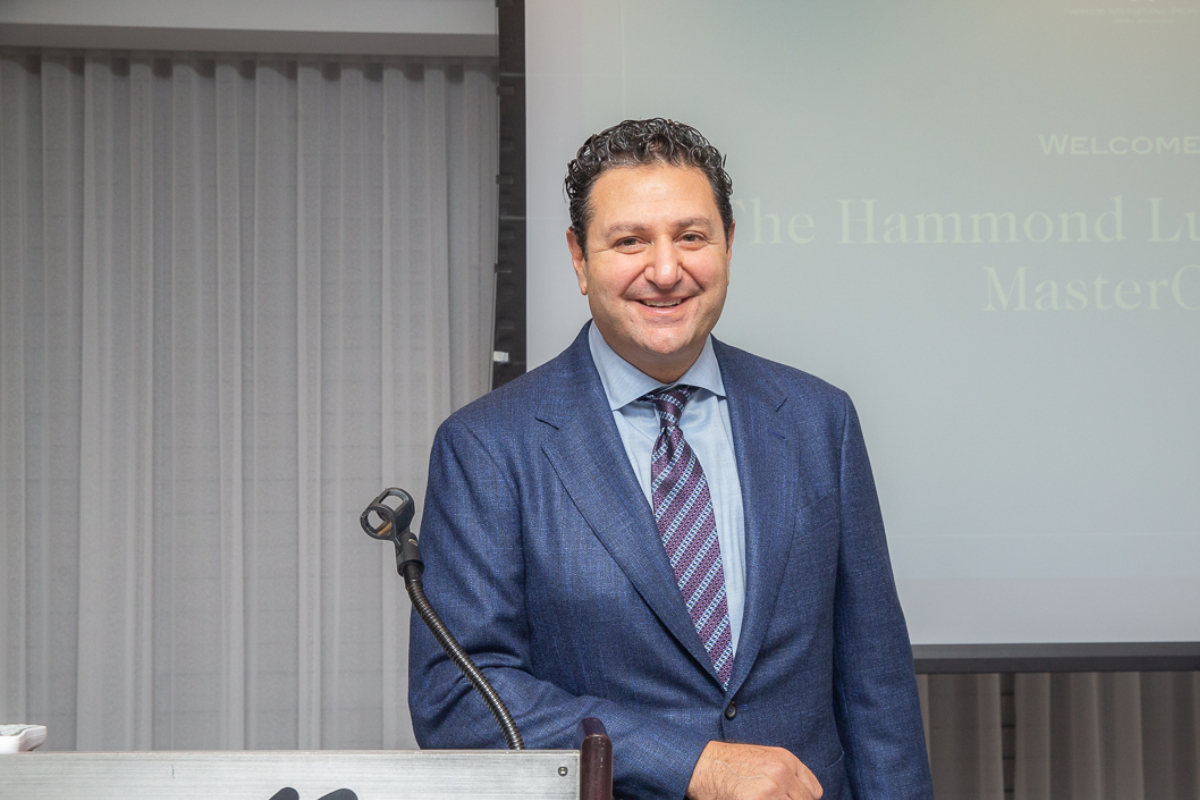
With more than three decades of experience in the luxury real estate market, Jerry Hammond has built a reputation for an understanding of exceptional properties, as well as the evolving mindset of today’s high-end buyer. As Founder and CEO of Hammond International Properties, he has worked closely with affluent clients seeking homes that go beyond prestige and square footage.
Today’s luxury market gets increasingly defined by intentional living, where wellness, privacy, craftsmanship, functionality, and lifestyle-driven design shape the modern home experience. From thoughtfully designed wellness spaces to residences that support balance, comfort, and elevated everyday living, Hammond shares insight into how luxury real estate continues to evolve alongside the priorities of discerning buyers.
With over 30 years in luxury real estate, what defining shifts have you observed in how high-end buyers define home today?
What has changed most is that a home is no longer viewed simply as a place, but as a reflection of how people want to live every day. Thirty years ago, luxury was often defined by scale, location, and status. Today, it is far more personal. Buyers are asking whether a space supports their lifestyle, well-being, family dynamics, pace of life, and even future generations. There is a deeper intention behind every decision. Privacy and flexibility matter, and there is a growing desire for homes that allow people to live more authentically. It is no longer viewed solely as an asset. That shift is part of what inspired us to create our master class, which helps professionals better understand the mindset of the luxury buyer, build lasting trust, and move beyond transactional thinking.
Wellness is now central to modern living. In what ways is this changing the design, layout, and features of luxury properties?
Wellness has evolved from being a luxury amenity to becoming a foundational element of design. We are seeing homes planned around natural light, air quality, flow, and functionality. Spaces are becoming far more intentional, whether that means dedicated fitness areas, spa-inspired en-suites, meditation rooms, or seamless transitions between indoor and outdoor living. There is also a growing emphasis on mental well-being. Quiet spaces, outdoor access, calming textures, and a sense of balance throughout the home are just as important as visual beauty.
Some discerning buyers are seeking experiential homes. What elements are elevating a residence from visually impressive to experiential?
It really comes down to how a home makes you feel, not simply how it photographs. Experiential homes engage multiple senses. It may be the way natural light moves through the space, the connection between indoor and outdoor environments, or how a home encourages people to gather, relax, and recharge. Details such as curated materials, layered lighting, acoustics, textures, and even scent all contribute to the experience. It is rarely one dramatic feature. Rather, it is how every element works together cohesively to transform a house into something memorable.
From your perspective, what separates a thoughtfully designed luxury home from one that carries a high price tag?
A high price tag can come from many things, including location, size, or market conditions. Thoughtful design, however, is rooted in intention. In a well-designed home, every element serves a purpose. The layout feels natural, the proportions are balanced, and the materials are selected not only for beauty but also for longevity and craftsmanship. There is also warmth and consistency throughout the palette. Today’s buyers are increasingly sophisticated and recognize the difference between a home designed with genuine care and one created primarily for visual impact. That is also where many realtors need to evolve. One of the concepts we explore in our master class is emotional engagement in homes and how that influences buyer connection and long-term value.
Which design details or finishes are buyers paying closer attention to today in terms of craftsmanship?
Buyers are looking far beyond surface-level finishes. They are paying attention to millwork, cabinetry construction, hardware quality, and even tactile details, such as how doors close and the weight of the materials used. There is also a renewed appreciation for natural materials, such as stone and wood, which age gracefully and develop character over time. The details buyers value most today are often subtle. They communicate quality quietly rather than needing to announce it.
To what extent are lifestyle-driven features, wellness spaces, outdoor retreats, and smart home integration influencing purchasing decisions?
In many cases, they are driving the decision entirely. Buyers are evaluating how a home functions day- to-day. Outdoor areas, for example, are now designed as true extensions of the home, often fully programmed for entertaining, dining, and relaxation. Smart home technology is also expected, but it must feel intuitive and seamless. Technology should enhance the living experience rather than complicate it. Ultimately, these features add the greatest value when they feel naturally integrated into the home rather than added on as separate luxuries.
Looking ahead, which emerging trends do you believe will redefine luxury living over the next five to ten years?
I believe we will continue to see a change toward quieter, more intentional luxury. Sustainability will play an even greater role, not only environmentally, but also in how homes are built to endure and evolve. There will also be a stronger focus on adaptability. Homes will increasingly be designed to support different life stages, whether related to family, wellness, remote work, or multigenerational living. The definition of luxury will continue moving away from excess and toward meaning, creating spaces that feel grounded and personal.
For buyers aiming to invest in a home that supports both lifestyle and long-term value, which key considerations should they keep in mind?
They need to think beyond the immediate moment. It is easy to be drawn to what looks visually impressive today, but long-term value is rooted in fundamentals such as location, quality construction, timeless design, and functionality. A home that lives well will always hold its value better than one designed solely to impress visually. Buyers should focus on how a space functions over time and whether it can evolve alongside changing lifestyles and needs.
Within Canada’s evolving real estate landscape, where are you seeing the greatest opportunities or risks for luxury buyers and investors today?
Many luxury buyers still want proximity to major cities, but we are also seeing purchasing decisions become far more emotional and lifestyle-driven. Family connections are playing a larger role, particularly as multigenerational living becomes more common and people prioritize being closer to children, grandchildren, and aging parents. It is having a meaningful impact on where and how people choose to invest in luxury real estate.
Can you briefly elaborate on your master class?
Our master class takes a deep dive into understanding the luxury consumer. We consider it a guide for luxury leaders. It explores who these clients are, what they value, and how professionals can build meaningful and lasting relationships with them. We focus heavily on white-glove service, client relationship management, and creating long-term trust through integrity, discretion, and consistency. We also discuss the importance of delivering excellence while understanding the emotional and lifestyle-driven aspects of the luxury market.
After three decades at the top of the industry, which personal values or principles have guided your approach to both business and client relationships?
I have always believed strongly in the golden rule. It serves as a kind of true north compass in both business and life. It guides how we treat people from different cultures, backgrounds, and beliefs, always with respect and humanity. At the end of the day, relationships are built on trust, integrity, and how you make people feel. Those principles have remained constant throughout my career.
Jennifer M Williams | Editor-In-Chief