Technology is already impacting our world on an unprecedented scale. Just think, a few years ago, we were all talking about the internet and how fascinating it is. We have come a long way since then. Scientists and tech experts are now building systems that can reprogram biology itself, reshape the atomic process, and even defy classical physics.
So, what does all that mean for your business? Well, as an entrepreneur, you definitely have to keep up with these emerging trends. After all, these tech trends can serve as powerful tools for work-related decision-making when combined with planning and foresight.
Below are ten tech trends that business leaders need to understand as they look to the future of their organizations.
Living Intelligence
Living intelligence goes beyond AI. These technologies are collaborating to create feedback loops between digital and biological systems. Although most organizations are focused on AI, living intelligence delves deeper. It not only processes data but also actively senses, interprets, and modifies the environment in real time. Living intelligence offers proactive solutions to some of the most critical issues facing us today.
For example, in the healthcare field, living intelligence can potentially monitor health 24/7 and come up with dynamically adjusted treatments or predict illnesses before they occur. In the manufacturing field, the Internet of Things (IoT) can detect inefficiencies and predict machine failures before they occur, enabling retailers to respond to customer behaviour in real time.
Action Models
Fundamentally changing how machines learn, action models are eclipsing language models. As they evolve even more, they will play a pivotal role in gauging user behaviour and predicting it well in advance to manage tasks, negotiate deals, and make decisions based on a deep understanding of user preferences. By 2030, more than 125 billion connected devices will generate continuous behavioural data.
The End of Rigid Robotics
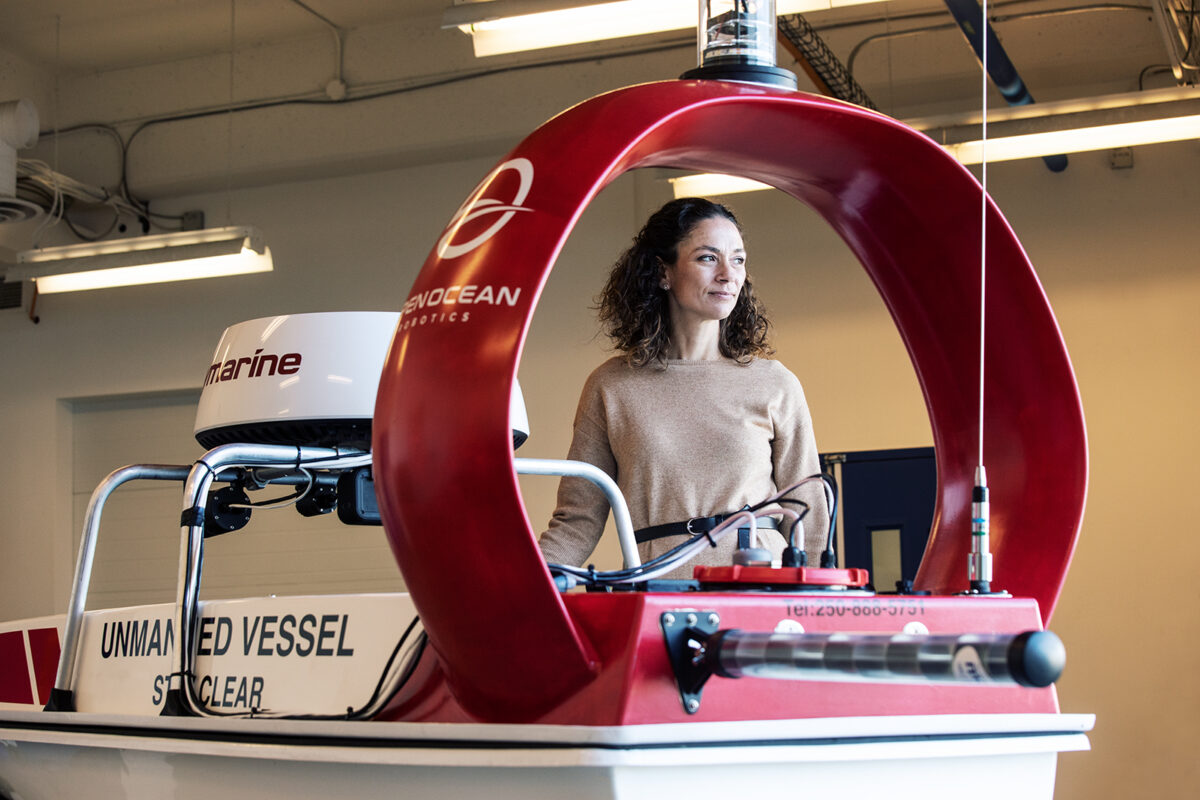
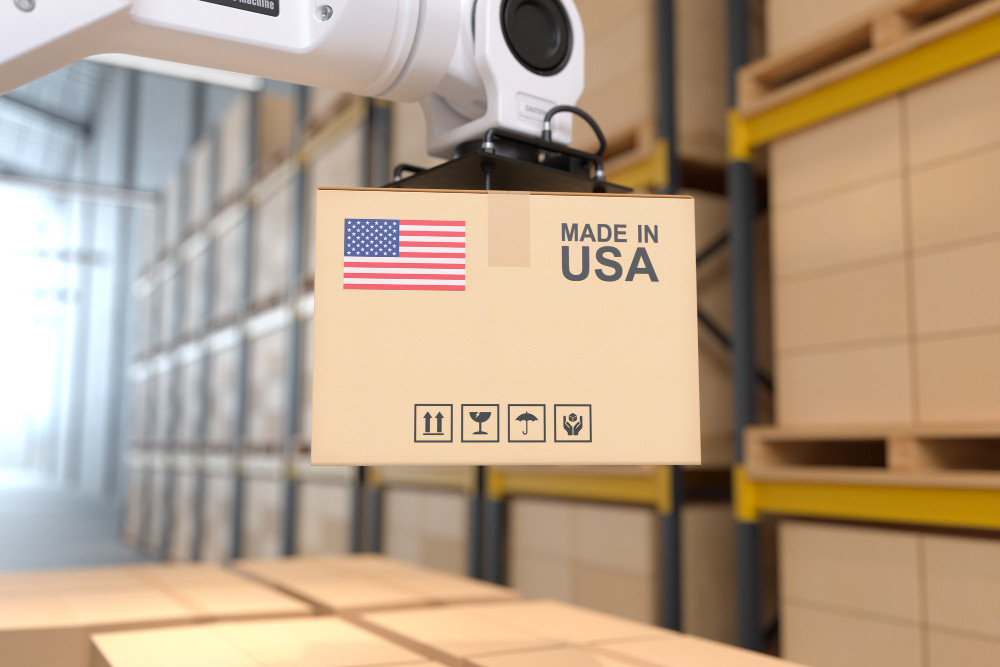
In the past, traditional robots performed manual repetitive tasks in a controlled environment. With the advent of AI and cutting-edge computing, adaptive robotics will change the way we work across vast fields such as healthcare, agriculture, and construction. Although human workers will still be valuable, advanced robotics systems will augment human tasks and create new roles focused on robotic supervision and strategic decision-making.
Agentic AI
Revolutionizing the way we work, agentic AI will not only respond to commands but also identify opportunities, set objectives, and orchestrate resources. For a business, that means you will not only provide directions and commands, but also allow AI systems to complete tasks such as managing supply chains, optimizing resources, and coordinating activities with minimal human oversight.
Metamaterials
AI has accelerated the research and development of metamaterials on an unprecedented scale. Far from being merely designed substances at the microscopic level, metamaterials can now be used to manipulate light, heat, and mechanical stress in ways previously impossible. Many construction and engineering executives are enthralled by the premise of metamaterials and their implications for their industries.
Unlikely Alliances
As AI’s presence grows exponentially, even the largest companies will need to form partnerships to shape new power dynamics. For example, strategic alliances between cloud providers and chip manufacturers will reshape the tech industry. As more companies collaborate with their rivals to stay competitive, many organizations will find the need to balance access to innovation with vendor lock-in risks.
Climate Innovation
Climate change has wreaked havoc on our environment. Climate disasters have forced rapid advancement in resilience technologies. With the advent of AI, sensors, and biotechnology, are reshaping the way we predict the climate and our response and adaptation to it. Organizations will need to integrate climate adaptation into their core business strategies and incorporate advanced materials that protect against extreme weather conditions.
Nuclear
Now more than ever before, there is a need for carbon-free energy to power systems. To that end, small modular reactors (SMR) are emerging as the answer to AI’s massive energy demands. These reactors can be manufactured in factories and deployed within three to five years. They can generate clean, reliable, and base-load electricity and power.
Quantum
Quantum computing rivals traditional computing in ways never seen before. For starters, it solves complex problems much faster than traditional computers. Early applications of quantum computing are already showing promising results. From drug discovery to financial modelling, quantum computing will expedite workflows and deliver additional benefits as technology evolves.
Cislunar
Identified as the region between the earth and the moon, cislunar space is considered the next major frontier for space exploration. Already, the privatization of space exploration is moving beyond launches and exploration to enable sustainable operations throughout cislunar space. In-space manufacturing will allow for the production of materials impossible to create under gravity. A few organizations are already exploring the possibilities of zero-gravity production.
David Messiha | Staff Writer